
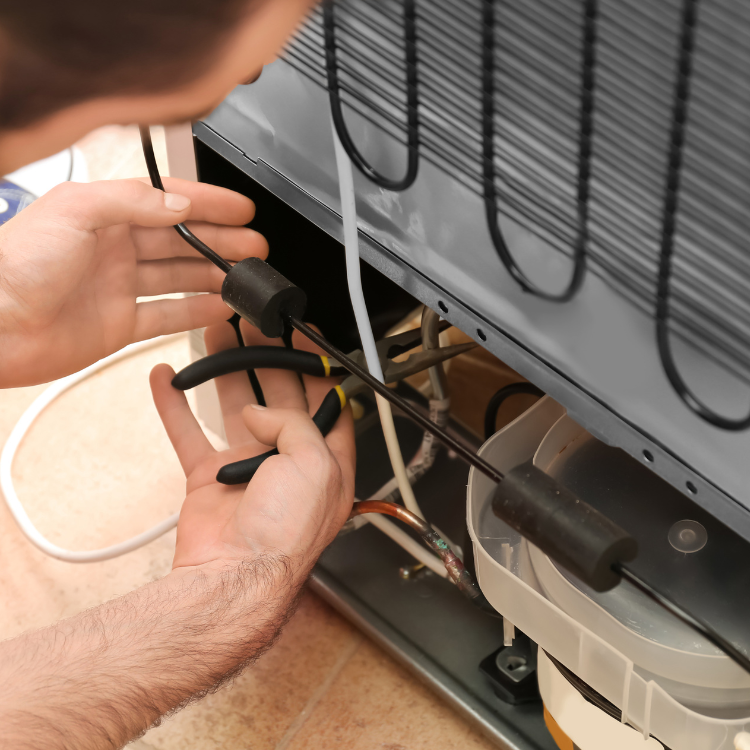
Appliance Repair Service: Dryer Not Heating Diagnostics
If your dryer runs but clothes stay damp, the cause is usually something specific in the heating system. This guide walks you through the checks that make sense first, the parts that commonly fail, and when it’s time to call Texas True Appliance Repair in McKinney, TX.
Last night the dryer sounded normal, the timer counted down, and the drum kept turning. But when you pulled the clothes out, they were still cool and damp. In a busy McKinney household, that is not just annoying. It can throw off laundry schedules for days.
You might be wondering if it’s a simple fix you can handle, or if the dryer’s heating system needs professional diagnostics. This article helps you narrow down what to check first, what signs point to a heating component issue, and how to get your dryer back to drying reliably.
Quick Answer
If your dryer tumbles but doesn’t heat, start by verifying power and the dryer’s operating mode, then inspect the lint screen and vent airflow. If the vent is restricted or the dryer is overheating, heat may shut off or never reach the drying temperature. If airflow and basic checks look normal, the problem is often related to a heating component such as a heating element, thermostat, thermistor, high-limit fuse, or cycling control. Texas True Appliance Repair can diagnose the exact cause so you don’t waste time swapping parts.
What to Check First
Before you assume the dryer “is broken,” focus on the things that most directly affect whether heat can start and stay stable.
1) Confirm the dryer is actually calling for heat
Make sure you selected a standard drying cycle (not air fluff). Some cycles intentionally run without heat, and touchscreen settings can be easy to miss.
2) Check lint and vent restriction
Clean the lint screen and review the vent path for blockages. Even a partial restriction can prevent proper airflow, which can lead to heat shutdown or poor heating performance.
3) Look for common clues during a test run
Does the drum warm up at all? Do you smell burning lint? Are there repeated pauses? These clues help narrow down whether the unit is failing to heat or overheating and cutting out.
If you’re comfortable doing basic checks, keep them simple and safe. Avoid opening internal panels unless you’re trained. A heating system involves high temperatures and electrical components.
Main Things Customers Should Understand
When a dryer turns but does not heat, it usually points to a heating circuit or airflow-related safety control. Here are the most common categories we see during dryer not heating diagnostics in North Texas homes.
Professional observation: Many “no heat” complaints are not a single part failure. The dryer may have a heating component issue, but airflow problems and safety sensors can also stop heat from operating normally.
Heating system components that commonly affect “no heat”
- Heating element (electric dryers): If the element is open or failing, the drum may spin while heat never builds.
- Thermostats and cycling controls: Faulty temperature controls can prevent the dryer from maintaining heat.
- High-limit safety control (overheating protection): When airflow is restricted or heat runs too high, this can interrupt heating.
- Gas dryer ignition and gas valve path (gas dryers): If ignition does not occur or the gas valve path fails, the dryer may run without flame.
- Thermistors/sensors: If the dryer cannot read temperature properly, it may stop heating to protect fabrics and components.
Dryer type matters: electric vs. gas
One of the fastest ways to narrow causes is to identify whether your dryer is electric or gas. The checks and likely parts differ, even if the symptom sounds the same.
| Symptom pattern | Likely category | What it usually means |
|---|---|---|
| Drum tumbles, clothes never warm | Heating circuit or temperature control | The dryer may not be energizing heat correctly, or a safety control may be interrupting heat. |
| Dryer gets hot for a moment, then stops heating | Overheating protection / airflow issue | Restricted venting can trigger heat shutoff to protect the appliance. |
| Gas dryer runs but you do not hear ignition | Ignition or gas valve path | Heat may not start because the gas ignition sequence is not completing. |
| Dryer heats but dries poorly | Partial component failure or restricted airflow | The dryer may be able to heat, but not reach the temperatures needed for consistent drying. |
Why This Matters in McKinney, TX
In McKinney, TX, homes often have varying venting setups based on the age of the property and how laundry rooms are configured. When vent runs are longer, more turns are involved, or the venting wasn’t maintained regularly, airflow can get restricted. That restriction can lead to overheating protection kicking in, which feels like a “no heat” problem even when the heating system is trying to operate.
If you notice the dryer works less reliably during certain seasons or after a long break, that can align with lint buildup and airflow changes. Texas True Appliance Repair focuses on diagnosing the root cause, not guessing based on symptoms alone.
For broader appliance troubleshooting, you can also review related repair guidance on clothes dryer repair from Texas True Appliance Repair.
Need dryer not heating diagnostics in McKinney?
If your dryer tumbles but doesn’t warm up, it’s worth diagnosing the heating circuit and airflow controls before you keep running cycles that do not dry. Contact Texas True Appliance Repair to get a clear diagnosis for your specific dryer model.
Schedule serviceCommon Mistakes to Avoid
When a dryer isn’t heating, it’s easy to fall into troubleshooting loops. These are the mistakes that most often waste time and can make the problem harder to diagnose later.
- Continuing to run drying cycles without checking airflow: If the vent is restricted, repeated runs can trigger safety shutdown and keep the dryer from heating consistently.
- Cleaning only the lint screen and ignoring the vent path: Lint can collect beyond the screen, and a partially blocked vent can still reduce airflow.
- Assuming it’s “just the heating element”: Heating elements can fail, but thermostats, sensors, and safety controls can also prevent heat from starting.
- Trying to bypass safety controls: Safety devices exist to protect the dryer. Bypassing them can create risk and lead to more damage.
- Not distinguishing electric versus gas behavior: Gas dryers can show a different pattern, such as no ignition sounds, which points to a different set of causes.
Customer Checklist
Use this quick checklist to document what you notice. It helps a professional technician diagnose faster because you can share the symptom pattern clearly.
- Record whether your dryer is electric or gas.
- Confirm the cycle setting (standard heat vs. air fluff).
- Note whether the drum tumbles normally during the “no heat” test run.
- Clean the lint screen before the test and check for any obvious lint buildup.
- Observe whether the dryer pauses or repeatedly stops heating after brief warming attempts.
- Check for unusual smells (for example, burning lint) during the test run.
- Check whether clothes feel cool, warm, or only slightly heated after a full cycle.
- Inspect the vent path for obvious blockages or restrictions you can safely access.
Representative scenario (what diagnostics often reveal)
A customer in McKinney reported that their electric dryer ran with steady drum rotation, but the laundry came out cool and damp. They cleaned the lint screen and still saw the same result. During diagnostics, we found the dryer’s heating system was being interrupted by a temperature control related to overheating protection, and the airflow path showed signs of restriction. Once the airflow and the heat-control issue were addressed, the dryer returned to normal drying performance.
If you are also dealing with other kitchen or laundry appliances at the same property, Texas True Appliance Repair provides repair for multiple categories. For example, you can explore washer repair if your laundry area has more than one appliance acting up.
Frequently Asked Questions
Why does my dryer run but not heat?
When a dryer tumbles but doesn’t heat, the cause is usually in the heating circuit or the controls that decide when heat should run. That can include a heating element (electric models), temperature controls, sensors, or an overheating safety control that interrupts heat when airflow is restricted. A cycle setting mismatch (such as air fluff) can also produce the same symptom pattern. The fastest way to narrow it down is to check airflow basics first, then diagnose the specific heating and temperature components for your dryer.
Could a clogged vent make my dryer stop heating?
Yes. A partially clogged vent can reduce airflow enough that the dryer runs hotter than intended in certain conditions, which can trigger safety protection. Many customers experience this as “no heat” or inconsistent heating because the dryer may interrupt heat to protect itself. Cleaning the lint screen is helpful, but it does not always remove buildup beyond the screen. If you suspect restricted airflow, it’s smart to focus on vent airflow checks early and then have the dryer inspected so you can address the root cause.
How can I tell if my problem is electric versus gas?
The simplest difference is the dryer power and fuel type. Electric dryers rely on an electrical heating element, while gas dryers rely on ignition and a gas valve path. If your gas dryer runs but you do not hear ignition attempts or any flame behavior, that points toward the ignition or gas control sequence. Electric dryers often present as drum rotation without heat, which typically involves the heating circuit and related temperature controls. If you’re unsure, check the dryer’s model label and fuel type, then use the symptom pattern to guide the diagnostic direction.
Should I keep running the dryer to “try again”?
It’s better not to keep running long cycles once you confirm it is not heating. Repeated runs can keep the dryer in the same fault pattern, especially if a temperature safety control is interrupting heat due to airflow restriction or temperature sensing issues. Instead, do basic checks such as confirming the cycle setting and cleaning the lint screen, then document what you observed. If the dryer still doesn’t heat, professional diagnostics can identify the failed component category and help you avoid unnecessary part changes.
Can a dryer that dries poorly be the same issue as “no heat”?
Often, yes. Drying poorly can come from partial heating performance or airflow restriction, not just a complete “no heat” failure. For example, a heating element that is failing can still produce some heat but not enough to dry reliably. Similarly, vent airflow restrictions can reduce the dryer’s ability to reach and maintain drying temperatures. The symptom pattern matters: clothes that stay cool and damp suggests no meaningful heat, while clothes that are slightly warm but remain damp can indicate reduced heating or airflow. Diagnostics help confirm which category you’re dealing with.
Get your dryer heating problem diagnosed correctly
If your dryer runs but won’t heat, the most reliable next step is having a technician diagnose the heating and temperature controls along with airflow basics. Texas True Appliance Repair serves McKinney, TX and nearby areas including Allen, Frisco, Plano, and Prosper.
Contact Texas True Appliance Repair