
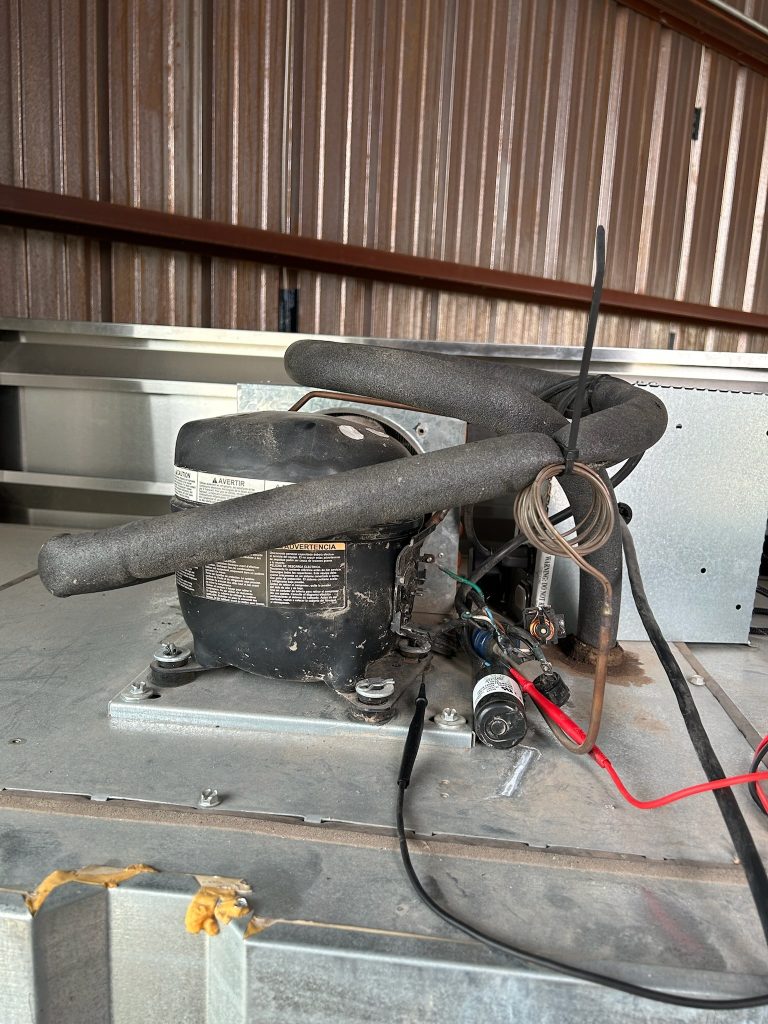
Refrigerator Repair: Diagnose Temperature Swings and Leaks
Last summer in McKinney, I got a call from a homeowner who said, “Our fridge keeps freezing everything, then the next day the milk’s warm.” That kind of temperature swing doesn’t just ruin groceries—it can also force food-safety headaches, spike energy use, and sometimes point to a leak that’s easy to ignore until water starts pooling on the floor.
In North Texas heat, refrigerators work harder than they do in cooler months. When they’re asked to recover from warm door openings, higher ambient temperatures, and long compressor run-times, small issues—like a failing thermistor, restricted airflow, or a draining problem—show up faster. The goal of refrigerator repair isn’t just “make it cool again.” It’s diagnosing why the temperature swings and where the leak is coming from so the fix actually lasts.
Quick Answer
Temperature swings and leaks usually come from one (or a combination) of these causes:
- Control/temperature sensing problems (thermistor, control board, improper damper behavior)
- Airflow restrictions (blocked vents, heavy frost buildup in the freezer)
- Defrost system failures (defrost heater, thermostat, timer/control)
- Drain and water management issues (clogged defrost drain, misaligned water pan)
- Refrigerant or sealed-system concerns (less common, but important when leaks/constant cycling are present)
A professional refrigerator repair technician will check airflow and defrost first, verify temperatures with measurements, then inspect the water path before assuming the unit “needs a new part.”
When Refrigerators Swing Temperatures (and Why It Happens)
From the bench, the most common “swing” pattern I see is overcooling one day and warming the next. That typically means the fridge isn’t getting consistent readings—or the cold air isn’t moving correctly when it should.
Technician observation: what the fridge “sounds like” matters
On service calls, I listen for compressor run patterns and fan operation:
- Compressor runs constantly but the fresh-food section doesn’t cool: airflow issue, heavy frost, or defrost/evap problem.
- Compressor cycles rapidly or stops/starts with inconsistent cooling: temperature sensing problem or control logic reacting to incorrect readings.
- Freezer seems fine but fridge warms: usually blocked vents, damper issues (for many side-by-side models), or a defrost-related ice blockage forming in the wrong place.
Temperature swings often travel with these clues
Look for one or more of the following:
- Ice buildup in odd places (or a “thin ice ceiling” on evaporator surfaces)
- Frost around the back wall in the fridge compartment
- Condensation where you don’t usually see it
- Water pooling under the crisper or behind panels
- Unusual clicking from the control area during temperature recovery
Common Causes of Leaks: It’s Not Always a “Broken Water Line”
Many homeowners assume a refrigerator leak means a cracked water line or a failed ice maker. Sometimes that’s true—but in practice, leaks are more often tied to defrost drainage.
Most frequent leak path: the defrost drain
During defrost cycles, frost on the evaporator melts and should drain into a pan to evaporate. If the defrost drain is clogged, water backs up and can end up:
- dripping behind interior panels
- pooling under drawers
- running down to the floor
Other leak sources to consider
- Water filter or inlet valve issues (if you have an ice/water dispenser and the leak is near the back or supply area)
- Ice maker mold/ice chute overflow (usually intermittent puddles inside the freezer area)
- Improper leveling (can cause water to collect in areas it shouldn’t)
- Cracked or mispositioned drain pan
- Condensation from restricted airflow (warm air gets pulled into cold zones)
Signs Your Appliance Needs Repair
Here’s what I’d consider a “don’t wait” situation:
- Fresh food is warming while the freezer looks inconsistent
- You see repeated frost buildup and then sudden thawing
- Water is accumulating under drawers or along the floor
- The refrigerator is running more often than usual (especially in North Texas summers)
- Your ice maker is producing irregular ice or leaking water
A quick diagnostic approach homeowners can do safely
- Check whether the freezer fan is running (some models have visible vents; you can often hear the fan)
- Verify the fridge temp settings haven’t been accidentally changed
- Look for blocked vents inside the fridge (especially behind items placed too close to grilles)
- Observe when the water appears: after defrost, after the compressor runs, or constantly
Common Mistakes That Lead to Expensive Breakdowns
1) Ignoring airflow problems and chasing controls too soon
A lot of temperature swing issues are “symptom problems.” If the evaporator is partially iced over or a vent is restricted, the control system may keep compensating—leading to more cycling and bigger swings. Replacing a thermistor or control board without checking airflow can waste money and still leave the root cause unresolved.
2) Thawing the unit “at random” without addressing the drain
Homeowners sometimes unplug the refrigerator overnight to melt ice. That can temporarily improve cooling, but if the defrost drain stays clogged, the leak often returns. In North Texas, you may also end up with more moisture around the liner and food-safe concerns.
3) Overstuffing and blocking vents
In larger households, it’s common to stuff the fridge door and fresh-food section during busy weeks. When airflow is blocked, the refrigerator can’t maintain steady temperatures—especially during hot afternoons when warm air infiltration is higher.
4) Treating water puddles as harmless condensation
If you’re seeing water that’s wetting drawer rails, collecting under produce bins, or leaving moisture on the floor, it’s not just “humidity.” It can be a drainage failure that will worsen over time.
Repair, Maintenance, or Troubleshooting Checklist
Below is a practical, technician-style checklist you can use to guide what to inspect (and what to document for service). This also helps if you need same day appliance diagnostics.
Temperature swing + leak troubleshooting checklist
1. Verify actual temperatures
- Use a refrigerator thermometer if possible.
- Confirm freezer and fresh-food temps rather than trusting the dial alone.
2. Check for frost patterns
- Look for heavy frost on the back wall inside the freezer or unusual ice buildup.
- If the freezer has “patchy” or thick frost, defrost may be involved.
3. Inspect airflow paths
- Ensure vents aren’t blocked by food.
- Check that the air damper (if present) moves freely.
4. Listen and observe fan operation
- Freezer fan not running often leads to warm fridge temps.
- A fan that runs constantly but temperatures still swing may indicate a restricted airflow/ice issue.
5. Inspect the drain area
- Look for standing water behind drawers or around the drain.
- If you safely can, check for signs of an obstructed defrost drain (odor, sludge, dried residue).
6. Check for ice maker / water dispenser leaks
- If leaks appear near the dispenser area or are tied to ice/water use, inspect the supply line route and inlet behavior.
7. Look for repeated cycling
- If the compressor cycles rapidly, the unit may be reacting to incorrect sensor readings or failing defrost behavior.
What to Repair vs What to Replace
Most temperature swing and leak problems are repairable. But the decision depends on what’s causing the issue and how widespread it is.
| Issue type | Usually repairable? | What’s commonly replaced |
|---|---|---|
| Defrost system failure | Yes | Defrost heater, thermostat, timer/control board components |
| Clogged drain / water management | Yes | Drain cleaning, drain pan alignment, water path components |
| Sensor/control faults | Yes | Thermistor, control board (when confirmed by testing) |
| Airflow restriction | Yes | Fan, damper components, clearing ice/air passage issues |
| Sealed-system refrigerant leak | Sometimes | Repair may be possible, but replacement is often considered depending on age/coverage |
Recommendation
If the unit is still cooling but leaking or swinging temperatures, start with defrost + airflow + drain diagnostics before replacing high-cost sealed-system parts. That sequence prevents unnecessary repairs and reduces repeat service calls.
If you’d rather explore broader appliance troubleshooting, you can also review appliance repair services we provide across North Texas.
A Real Service Case (Anonymized, Typical of What We See)
A homeowner with a side-by-side refrigerator reported that the fresh-food section went warm and then the freezer started building frost unevenly. They also noticed water collecting behind the bottom drawer.
What we found during diagnosis:
- The freezer had intermittent airflow—the evaporator fan was operating, but the airflow path was partially restricted by ice buildup.
- The defrost cycle wasn’t clearing reliably, which led to meltwater backing up.
- The clogged defrost drain wasn’t fully clearing after defrost, explaining the pooling behind the drawers.
Repair was completed by restoring proper defrost function and clearing the water drainage path. After the fix, temperatures stabilized and the leak stopped within the next cycle.
McKinney / North Texas Relevance: Why This Shows Up in Summer
In North Texas, refrigerators often face:
- Higher indoor ambient temperatures (especially when air conditioning struggles during peak heat)
- More frequent door openings during family schedules and gatherings
- Longer compressor run-times as the unit tries to recover from warm air infiltration
Those conditions expose weak points faster—particularly anything related to defrost performance and airflow. If your refrigerator is cycling more than usual during Texas heat, treat it as early warning, not “normal operation.”
If you’re managing a home and want dependable turnaround when cooling fails, consider refrigerator repair support from a technician who can diagnose temperature swings and water issues on site.
Our Experience Repairing Appliances in Texas Homes and Businesses
Temperature swings and leaks behave differently in homes versus commercial settings. In restaurants and break rooms, you may have:
- heavier daily use
- staff opening doors repeatedly
- crowded layouts that block vents
- tight schedules where downtime impacts revenue
For commercial locations, delays are costly. If refrigeration goes down, product loss can be immediate. That’s why we also handle commercial kitchen repair solutions and help businesses restore cold storage reliably.
If your issue is specifically tied to food service equipment, you can explore professional appliance repair technician support for both residential and commercial needs, depending on the equipment type.
When You Should Call for Emergency Service
If you have:
- food loss risk due to warm temps
- standing water that’s spreading under the unit
- repeated warm/cold cycling that makes temperatures unpredictable
…it’s worth scheduling quickly. Even short delays can complicate diagnosis because the unit may spend more time in failure states.
For business emergencies, we provide emergency commercial appliance repair so your kitchen or storage area can get back to stable operation sooner.
FAQ
How do I know if my refrigerator is worth repairing?
If the unit cools inconsistently or leaks due to defrost, drainage, airflow, or sensor faults, it’s usually worth repairing—these are common, testable problems. If there’s a confirmed sealed-system refrigerant leak, we’ll evaluate your unit’s age, cooling capacity, and overall condition to decide between repair and replacement.
Why does my fridge get warm but the freezer seems okay?
That pattern often points to airflow/damper issues, blocked vents, or frost restricting airflow to the fresh-food compartment. It can also happen when defrost isn’t clearing properly, even if the freezer looks “mostly cold.”
What causes water pooling under the crisper drawers?
Most often, a clogged defrost drain causes meltwater to back up and drip where it shouldn’t. A restricted drain can also lead to recurring puddles after each defrost cycle.
Can I just unplug the fridge to stop the leak?
Unplugging may temporarily stop the cycling and let ice melt, but it doesn’t fix the underlying cause (like a clogged drain or failed defrost component). If the leak returns after power is restored, you’ll likely need proper diagnosis and repair.
Ready to Restore Your Appliances or Commercial Equipment?
If your refrigerator is doing the “freeze then warm then leak” routine, it usually means there’s a specific system causing the instability—not just a simple setting problem. Fast diagnostics help prevent repeat breakdowns and reduce the chance of water damage.
About Texas True Appliance Repair
Texas True Appliance Repair provides residential appliance repair, commercial kitchen equipment repair, refrigerator diagnostics, dishwasher repair, oven repair, and emergency appliance services throughout McKinney, TX and surrounding North Texas communities. The company focuses on accurate diagnostics, reliable repairs, fast response times, and helping homeowners and businesses reduce costly appliance downtime through professional service and preventative maintenance.